
Featured Plant: Jatropha integerrima — Colorful Flowers, Versatile Form & Those T-Rex Leaves


Some plants catch your attention because of their flowers. Others stand out because of their shape or foliage.
Jatropha integerrima manages to do both.
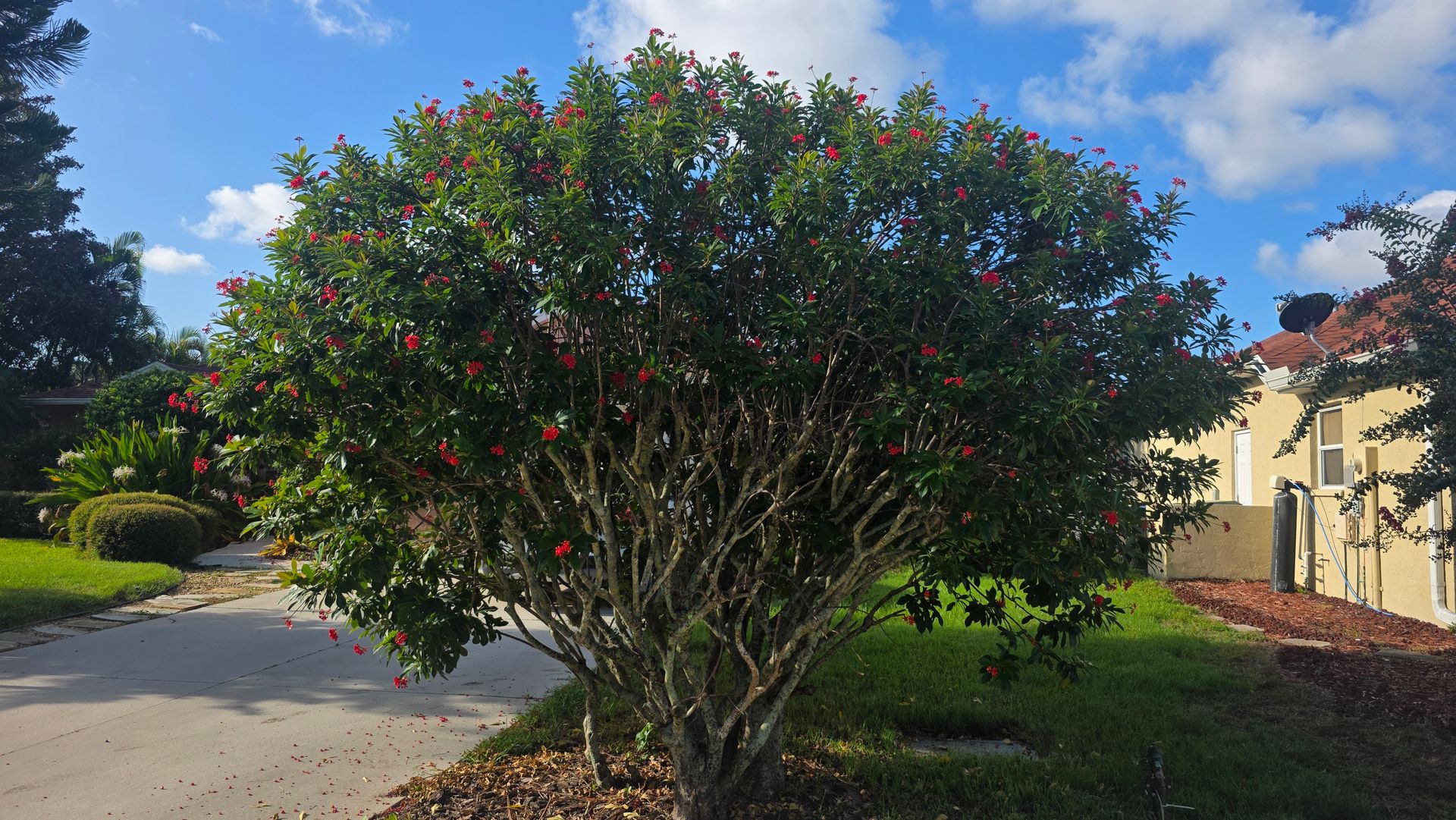
Around Sarasota, we see Jatropha integerrima used in several very different ways — as a large flowering shrub, a multi-trunk specimen, or a small tree trained to show off its branching structure. Its bright red flowers can appear through much of the year, and it responds well to pruning, which gives it a lot of flexibility in the landscape.
But there’s one little detail we can’t unsee anymore:
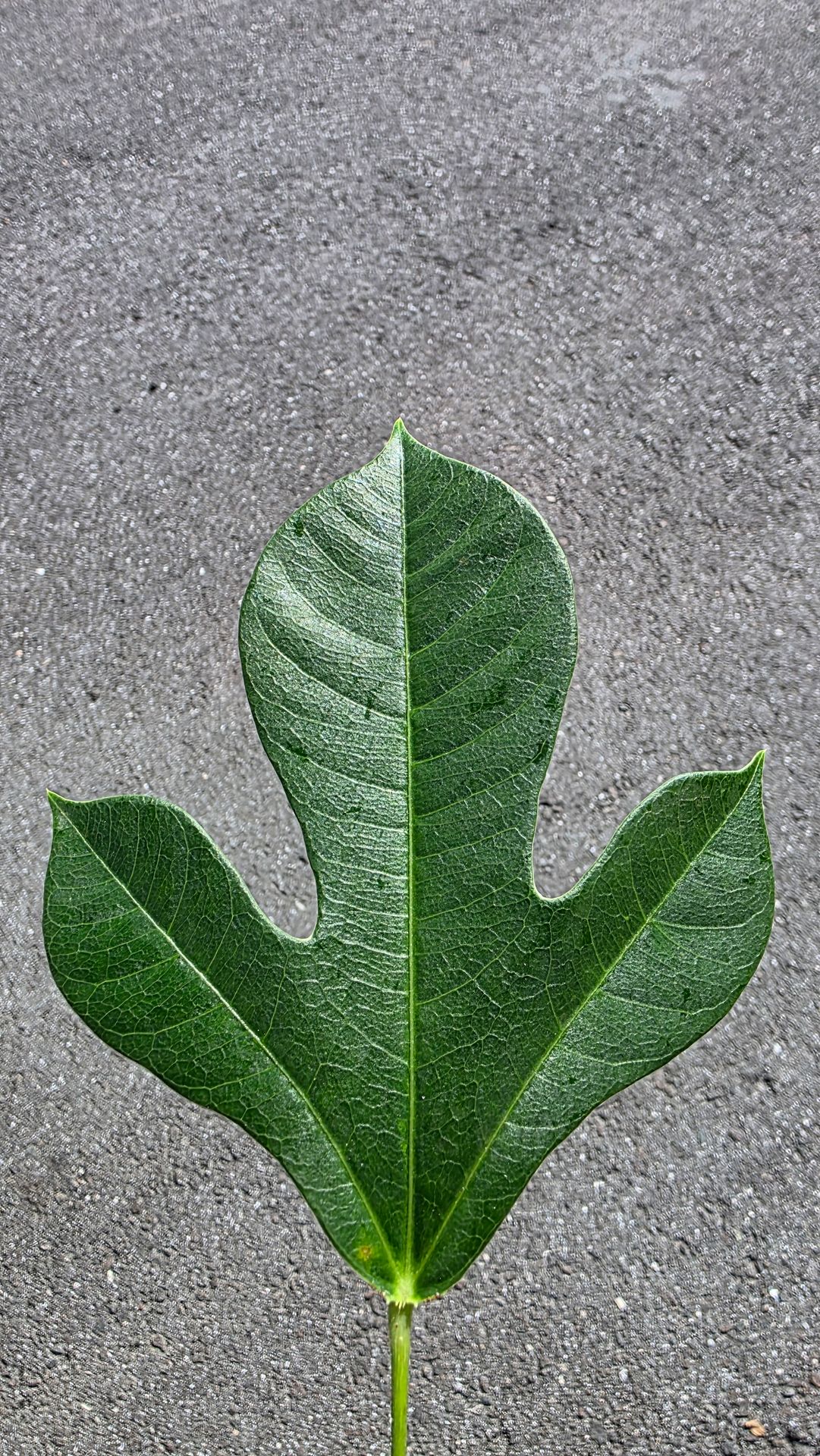
The leaves look like tiny T-Rex feet.
Once you notice it, you’ll probably see it every time you walk past one.
What Is Jatropha integerrima?
Jatropha integerrima is a tropical evergreen shrub or small tree commonly called peregrina, spicy jatropha, or firecracker jatropha.
It is native to Cuba and is widely grown in Florida for its long flowering season, evergreen foliage, and ability to tolerate regular pruning. Mature plants can reach roughly 15 feet tall with a similar spread if allowed to grow freely, although landscape specimens are often maintained smaller. UF/IFAS currently considers Jatropha integerrima not a problem species in Florida and says it may be recommended for landscape use.
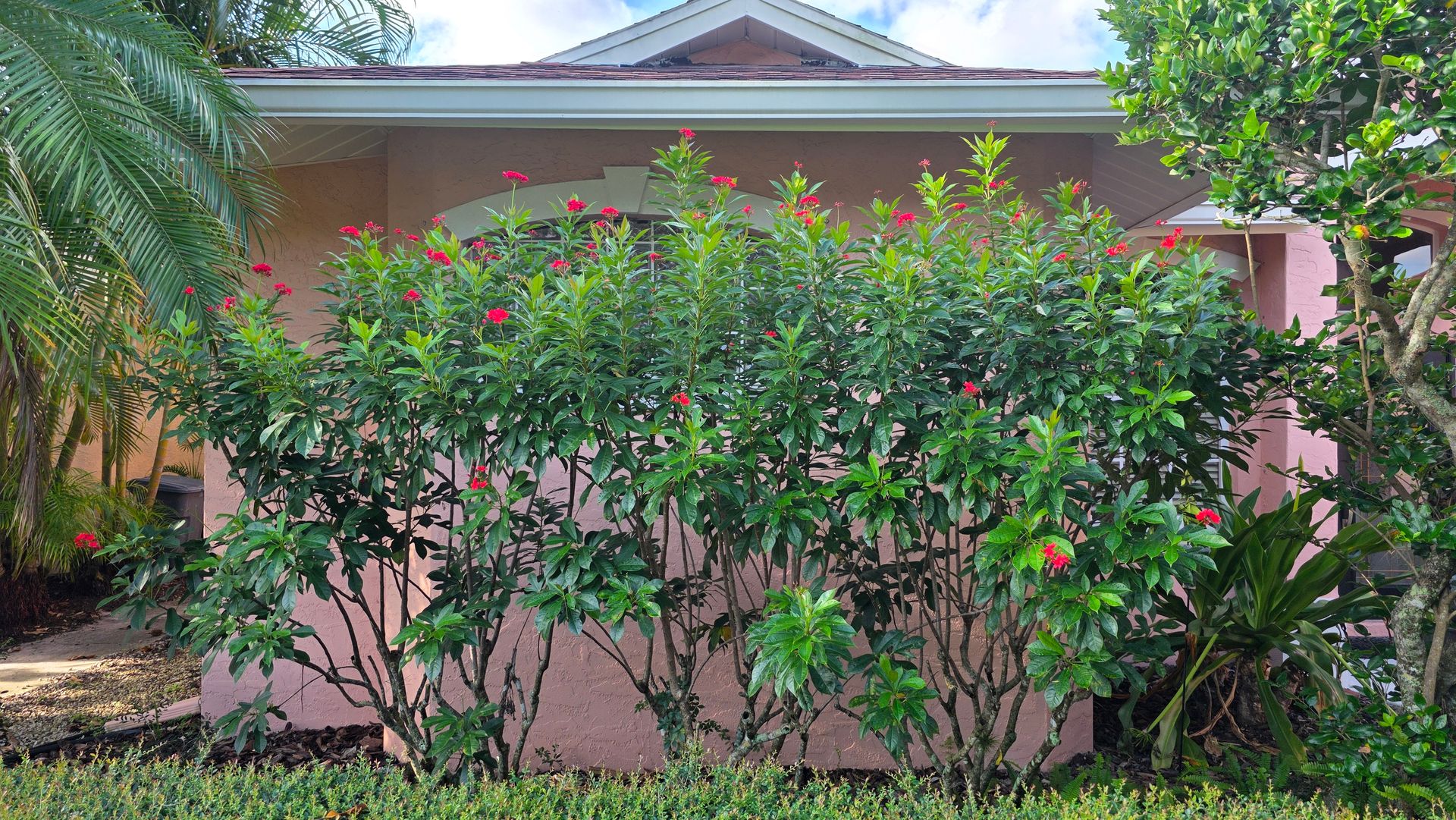
Shrub or Small Tree? Jatropha Can Be Either
One of the things we like most about Jatropha is how differently it can be maintained.
It can grow as a dense flowering shrub, develop naturally into a broad multi-trunk specimen, or be selectively pruned into a small tree with the lower trunks exposed. UF/IFAS also notes that it can be trained as an espalier or grown in a large container.
That flexibility gives it several useful landscape roles:
- Flowering specimen shrub
- Small accent tree
- Informal screen
- Entry or patio accent
- Mixed tropical planting
- Large container plant in a protected setting
The important part is deciding what form you ultimately want. A plant that has spent years developing as a large multi-stemmed shrub may require substantial pruning to suddenly turn it into a clean tree-form specimen.
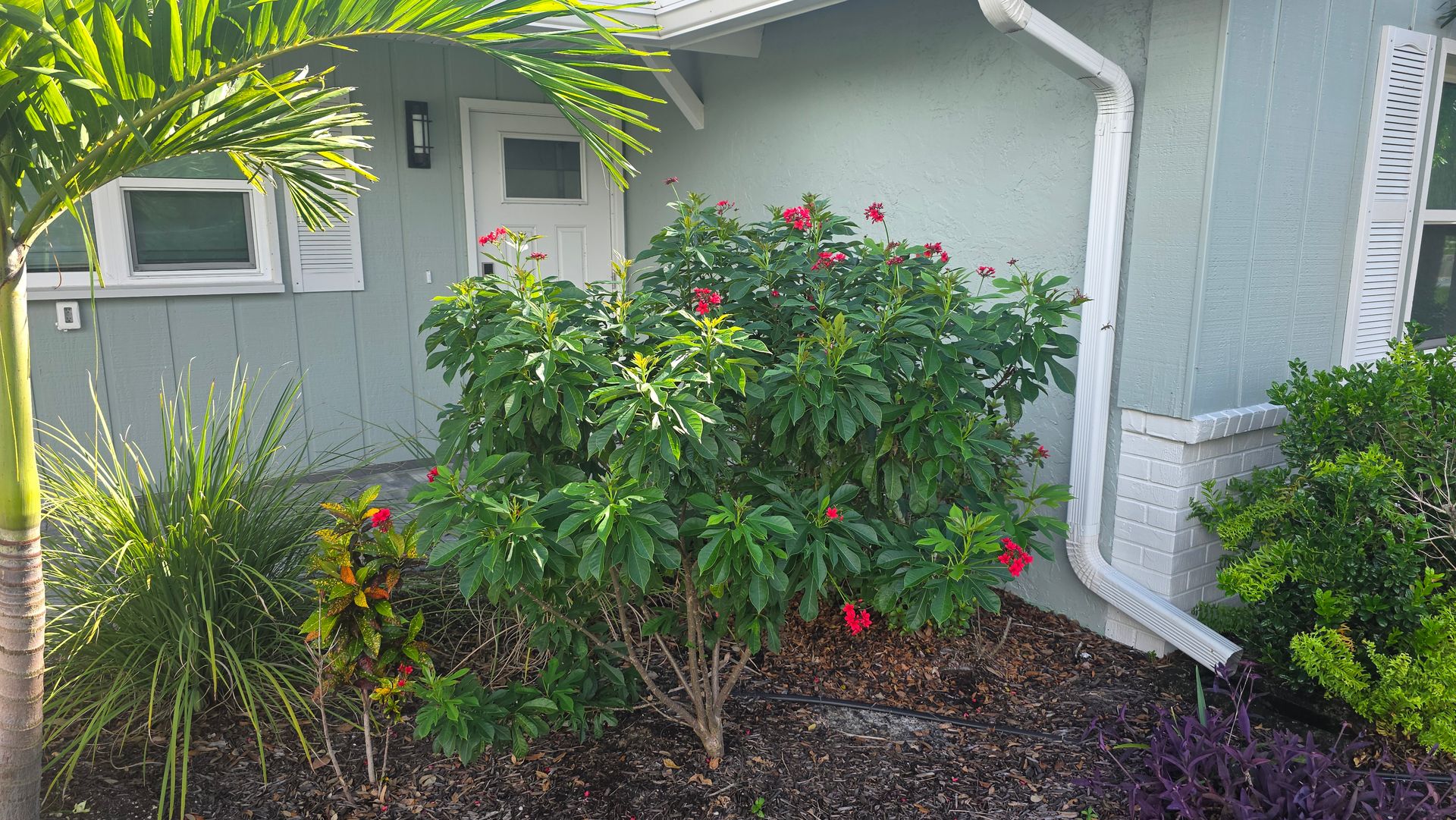
Bright Flowers for Much of the Year
The flowers are one of the main reasons Jatropha integerrima is so popular in Florida landscapes.
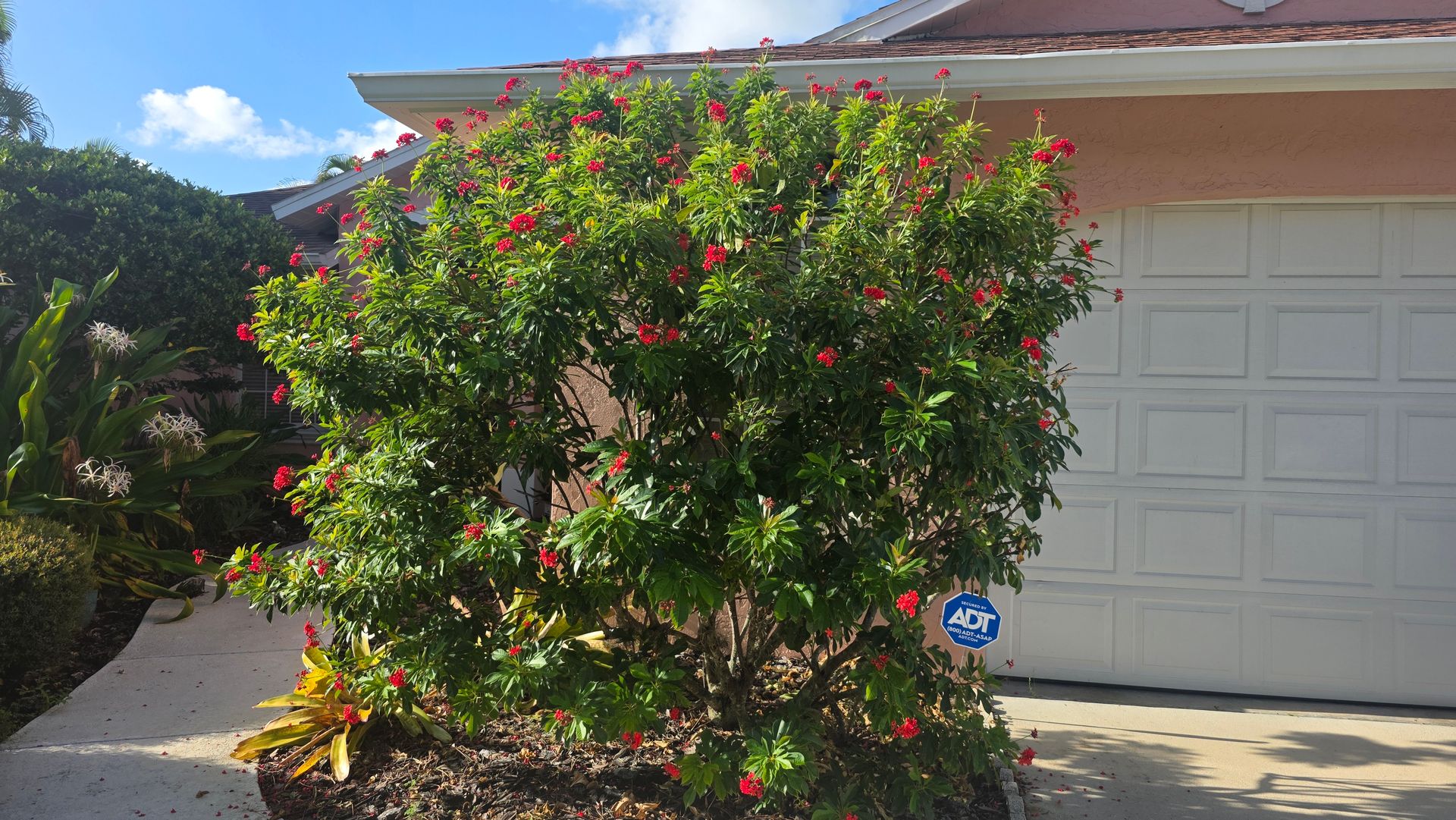
It produces clusters of small, star-shaped flowers, usually bright red, held above the foliage. In warm climates, flowering can occur through much of the year, with the strongest displays generally coming from plants receiving plenty of sun.
That long flowering season makes Jatropha useful when you want dependable color rather than a plant that blooms for only a short seasonal window.
Pink-flowering forms also exist, although the red form is much more commonly seen in local landscapes.
Butterflies and Hummingbirds Notice the Flowers Too
Jatropha’s flowers aren’t just ornamental.
UF/IFAS lists the plant as attractive to both butterflies and hummingbirds, and notes visits from butterflies including monarchs, swallowtails, and zebra longwings.
That makes it a useful nectar source in a landscape designed to attract wildlife.
It is worth distinguishing nectar plants from host plants, though. Jatropha provides food for adult butterflies, but a complete butterfly-friendly landscape should also include the appropriate host plants that caterpillars depend on.
Light and Flowering
Jatropha can grow in full sun to partial shade, but plants grown in full sun generally produce the strongest flower display.
For a homeowner choosing Jatropha primarily because of its red flowers, a sunny location is usually preferable.
Partial shade can still work, but flowering may be reduced and the plant may develop a somewhat more open growth habit.
Soil and Drainage
Jatropha adapts to a range of Florida landscape soils as long as the site drains well.
Good drainage is important because the plant does not perform well in constantly waterlogged soil. Once established, however, it develops good drought tolerance and generally does not require excessive irrigation. Newly installed plants still need consistent establishment watering while the root system develops.
Cold Tolerance
Jatropha is a genuinely tropical plant.
UF/IFAS generally places Jatropha integerrima in USDA Zones 10B–11. Frost and freezing temperatures can damage foliage and stems, although established plants can often recover after cold damage.
Here in the Sarasota area, placement can matter. Plants in warmer or somewhat protected locations may perform better during unusually cold weather.
Salt Tolerance
Jatropha is not considered strongly salt tolerant.
For inland Sarasota landscapes, that usually is not a major limitation. Properties exposed to regular coastal salt spray may be better served by plants specifically adapted to those conditions.
Pruning and Maintenance
Jatropha responds very well to pruning, which is part of what makes it so versatile.
Selective pruning can:
- Maintain a fuller shrub
- Encourage a more open multi-trunk structure
- Develop a cleaner small-tree form
- Keep the plant appropriately sized around homes, walks, and other
- landscape features
UF/IFAS notes that Jatropha tolerates pruning well and can be trained into several different forms.
For the best flowering display, selective pruning often works better than repeatedly shearing the plant into a rigid shape, since frequent removal of new growth can also remove developing flowers.
Jatropha also produces a milky sap when cut, and that sap may irritate sensitive skin. Gloves are a good idea when pruning or handling fresh cuttings.
Fertilizer
Jatropha is not an especially demanding landscape plant once established.
In Florida’s sandy soils, a quality slow-release landscape fertilizer can be useful during active growth when additional nutrition is needed.
The goal should be healthy growth and flowering rather than forcing excessive new growth. Site conditions, foliage color, irrigation, and local fertilizer restrictions should guide how much supplemental feeding is appropriate.
Toxicity
One important consideration is that Jatropha should not be eaten. Parts of plants in this genus can be toxic if ingested, so placement deserves some thought where small children or pets may chew on plant material.
That does not prevent Jatropha integerrima from being widely used as an ornamental landscape plant, but it is something homeowners should be aware of.
Not All Jatrophas Are the Same
This is where the scientific name becomes especially important.
Our Featured Plant is Jatropha integerrima, which UF/IFAS currently considers not a problem species in Florida.
Other Jatropha species are a different story.
UF/IFAS identifies Jatropha gossypiifolia and Jatropha curcas as problematic or high-invasion-risk plants that should not be planted in Florida.
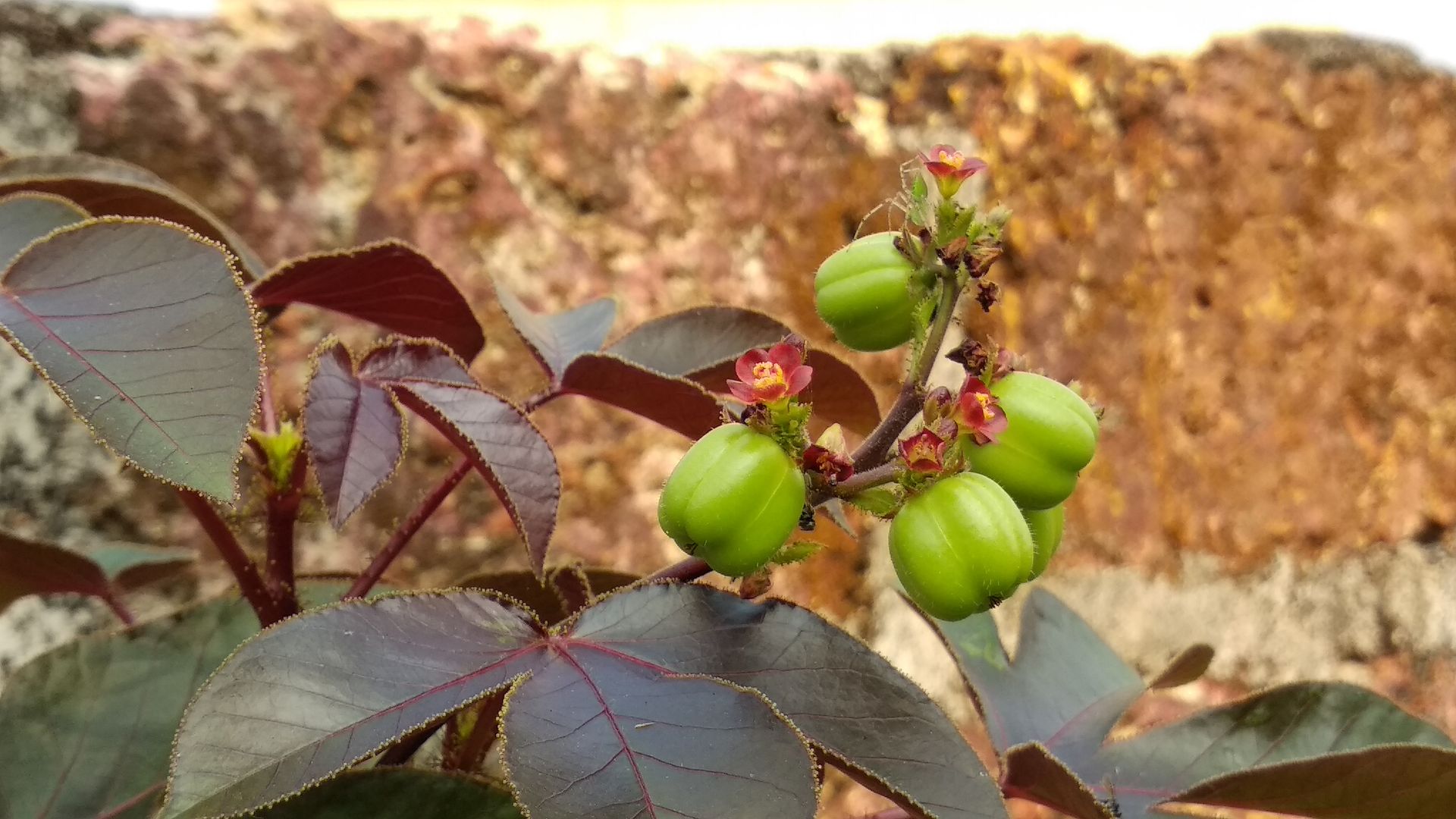
Jatropha gossypiifolia — Bellyache Bush
Jatropha gossypiifolia can spread aggressively by seed. Its three-lobed seed capsules dry and split open explosively, throwing seeds away from the parent plant and helping new plants establish beyond the immediate area.
Reports describe seeds being projected as far as roughly 40 feet, which helps explain how a single plant can begin colonizing surrounding disturbed areas surprisingly quickly. UF/IFAS currently rates the species as high invasion risk and does not recommend planting it in Florida.
Jatropha curcas
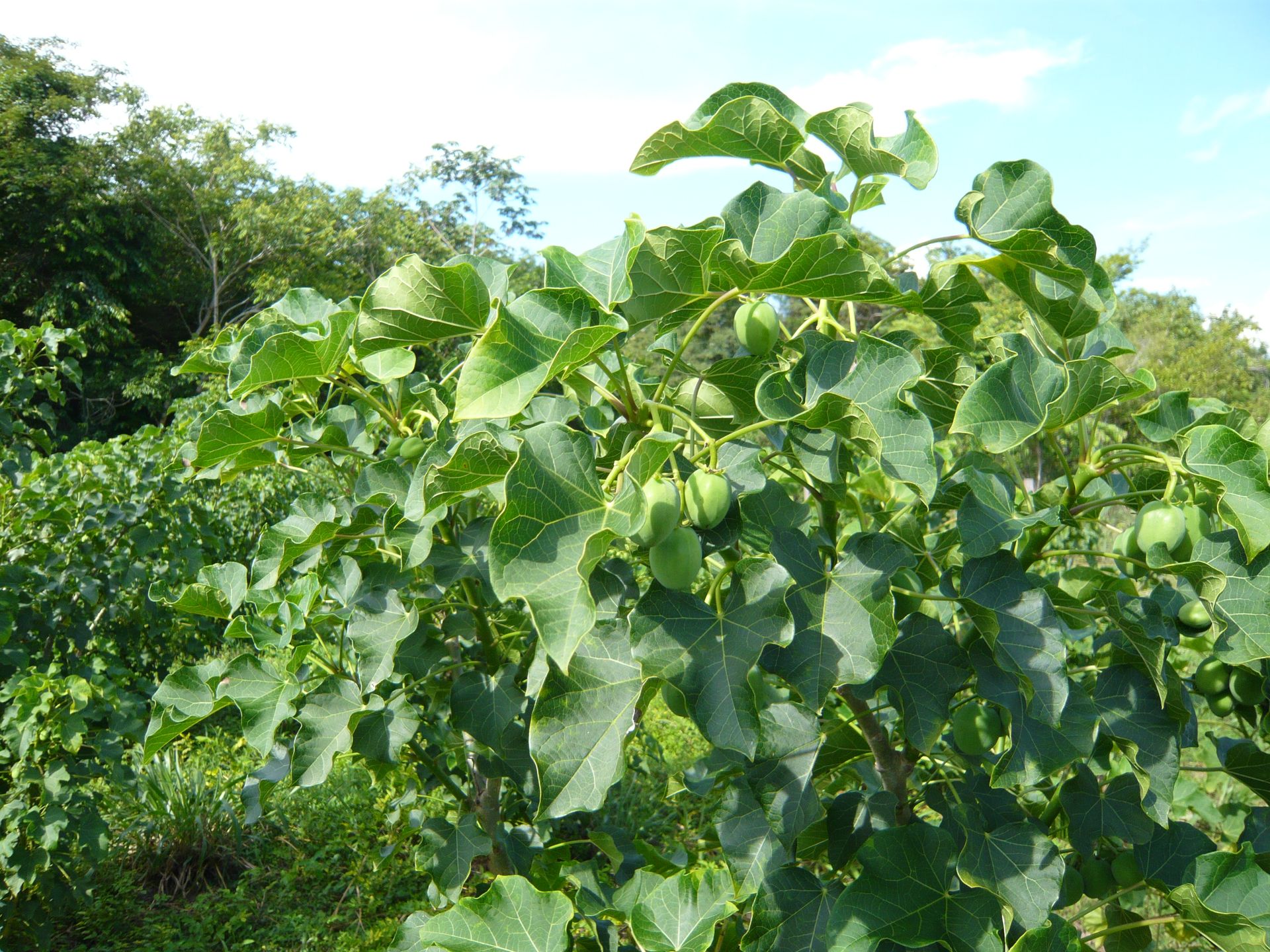
Jatropha curcas also spreads primarily by seed, but its dispersal works somewhat differently.
Many seeds initially fall relatively close to the parent plant, but they can then be moved farther by animals, water and flooding, equipment, and human activity. That combination allows the plant to move beyond where the original seeds simply dropped and establish in new disturbed areas.
UF/IFAS identifies Jatropha curcas as another problematic Jatropha that should not be planted in Florida.
Why We Like Jatropha integerrima in Sarasota Landscapes
Jatropha combines several useful qualities in one plant:
- Bright flowers through much of the year
- Butterfly and hummingbird activity
- Evergreen tropical foliage
- Good drought tolerance once established
- Flexible shrub or small-tree form
- Relatively easy maintenance
- Strong specimen value without requiring the space of a large shade tree
It is not right for every property — cold exposure and salt exposure are two of its main limitations — but in the right location, Jatropha integerrima can be a very dependable flowering accent.
And once you notice those little T-Rex feet, you probably won’t look at the leaves quite the same way again.
Featured Plant Details
Scientific Name: Jatropha integerrima
Common Names: Jatropha, Peregrina, Spicy Jatropha, Firecracker Jatropha
Typical Size: Roughly 8–15 feet depending on pruning and growing conditions
Light: Full sun to partial shade; best flowering in full sun
Growth Rate: Moderate
Drought Tolerance: Good once established
Salt Tolerance: Low
Hardiness: Generally Zones 10B–11
Origin: Cuba
Wildlife: Attracts butterflies and hummingbirds
Learn more about Jatropha integerrima in our Plant Gallery:
https://strongsrq.com/small-flowering-trees/jatropha-integerrima
Explore more palms, shrubs, flowering trees, native plants, groundcovers, and other Florida landscape plants in the StrongSRQ Plant Gallery.